This page is still under construction.
In the meantime, you can still peruse what is currently available while additional content is slowly populated here.
In the meantime, you can still peruse what is currently available while additional content is slowly populated here.
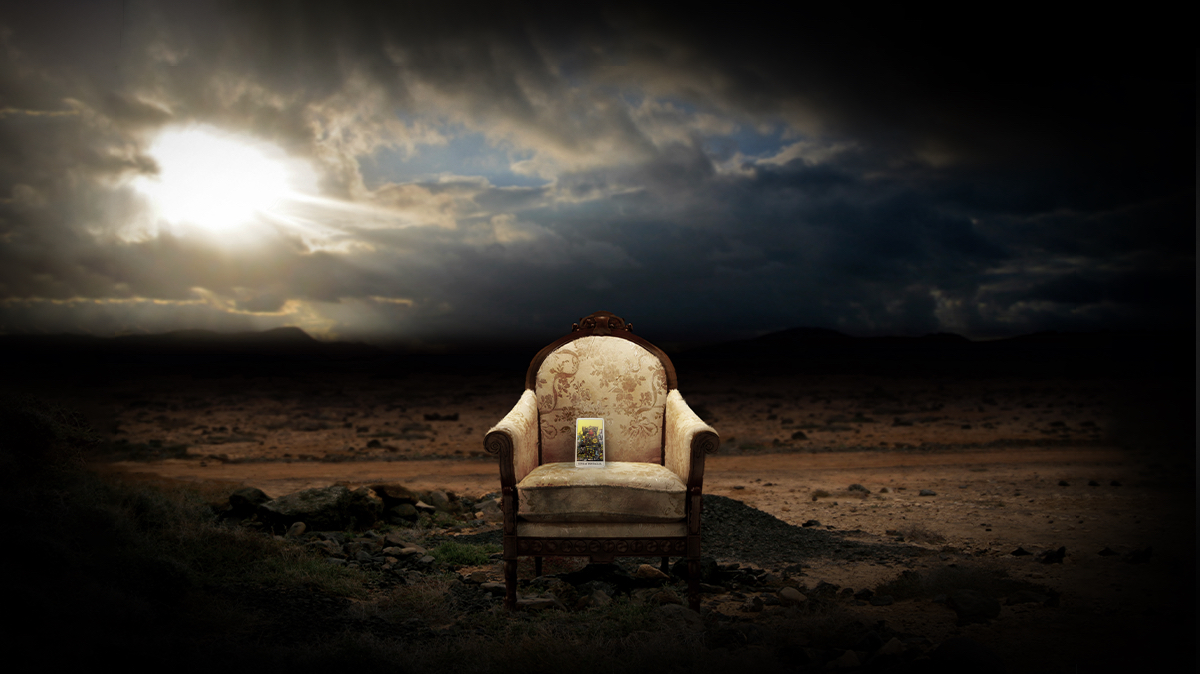


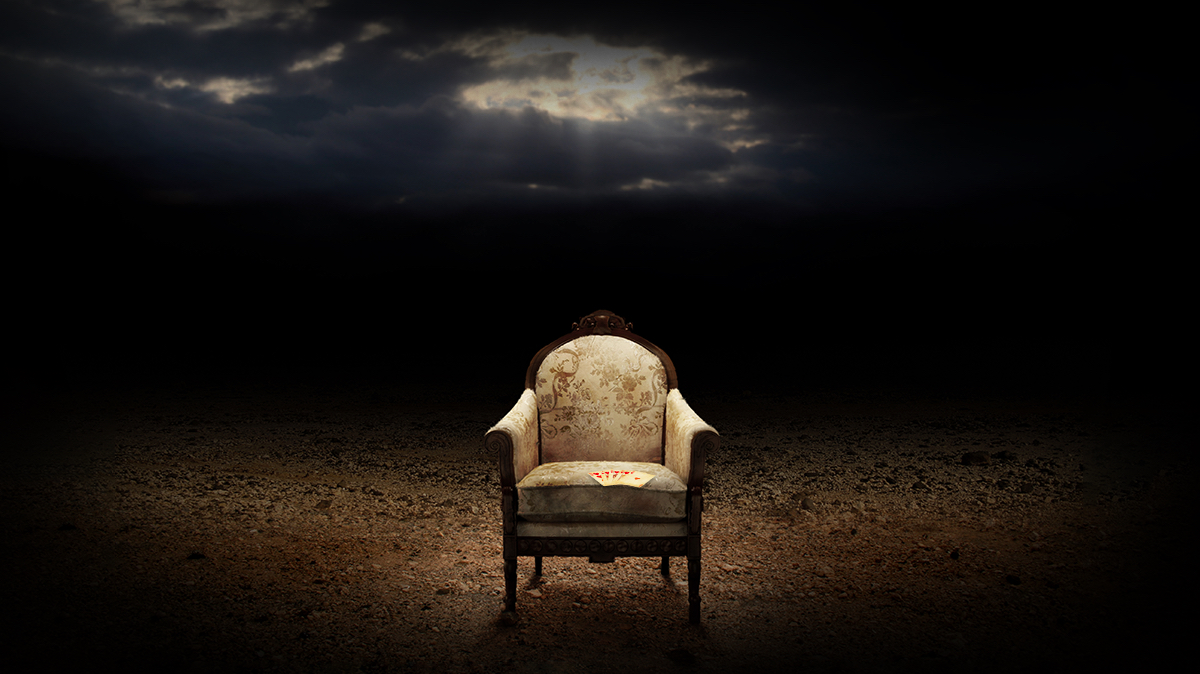
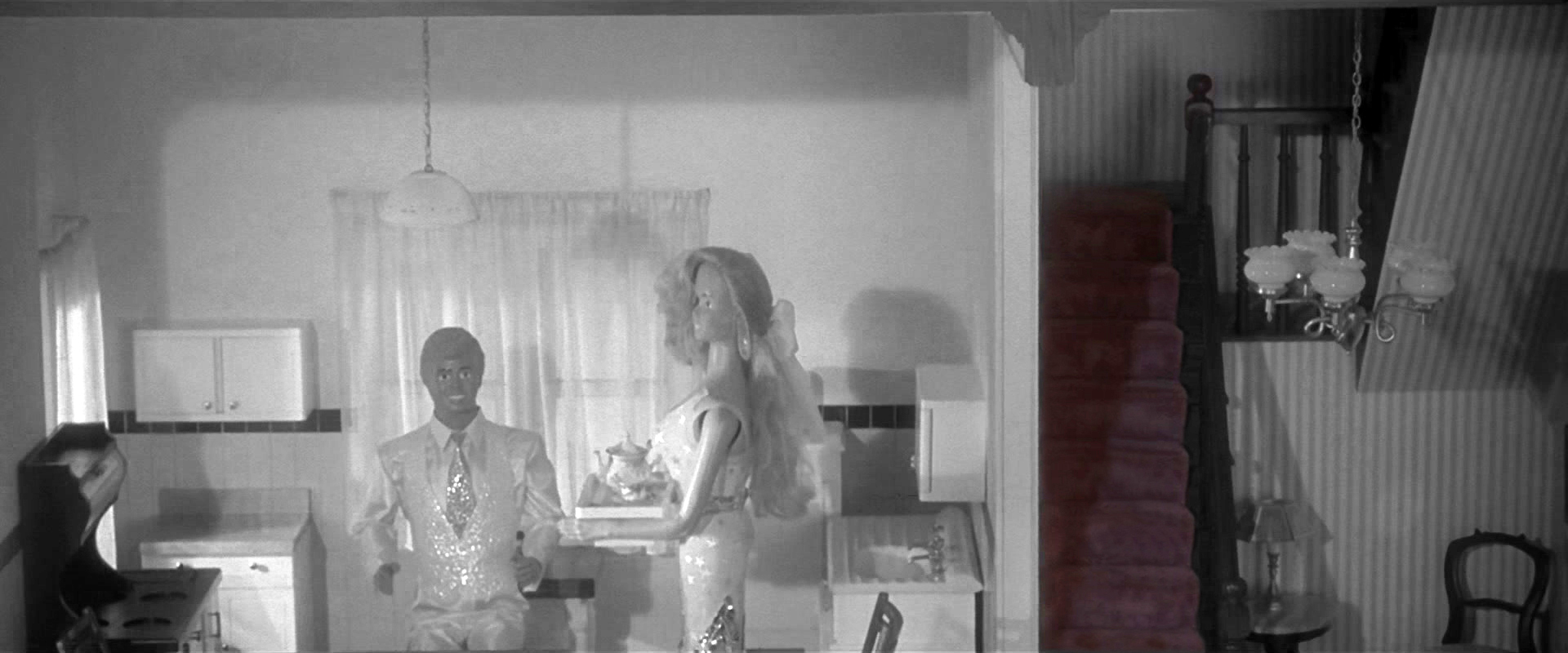
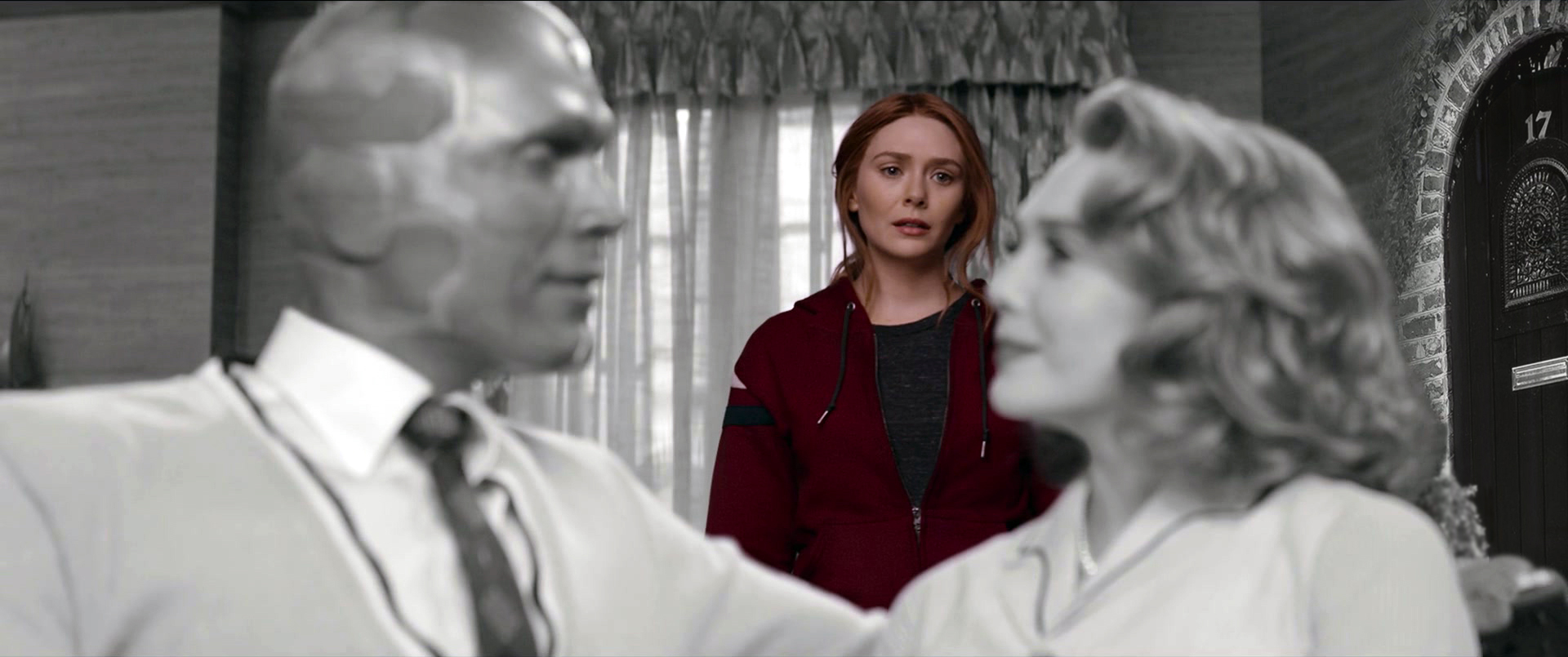
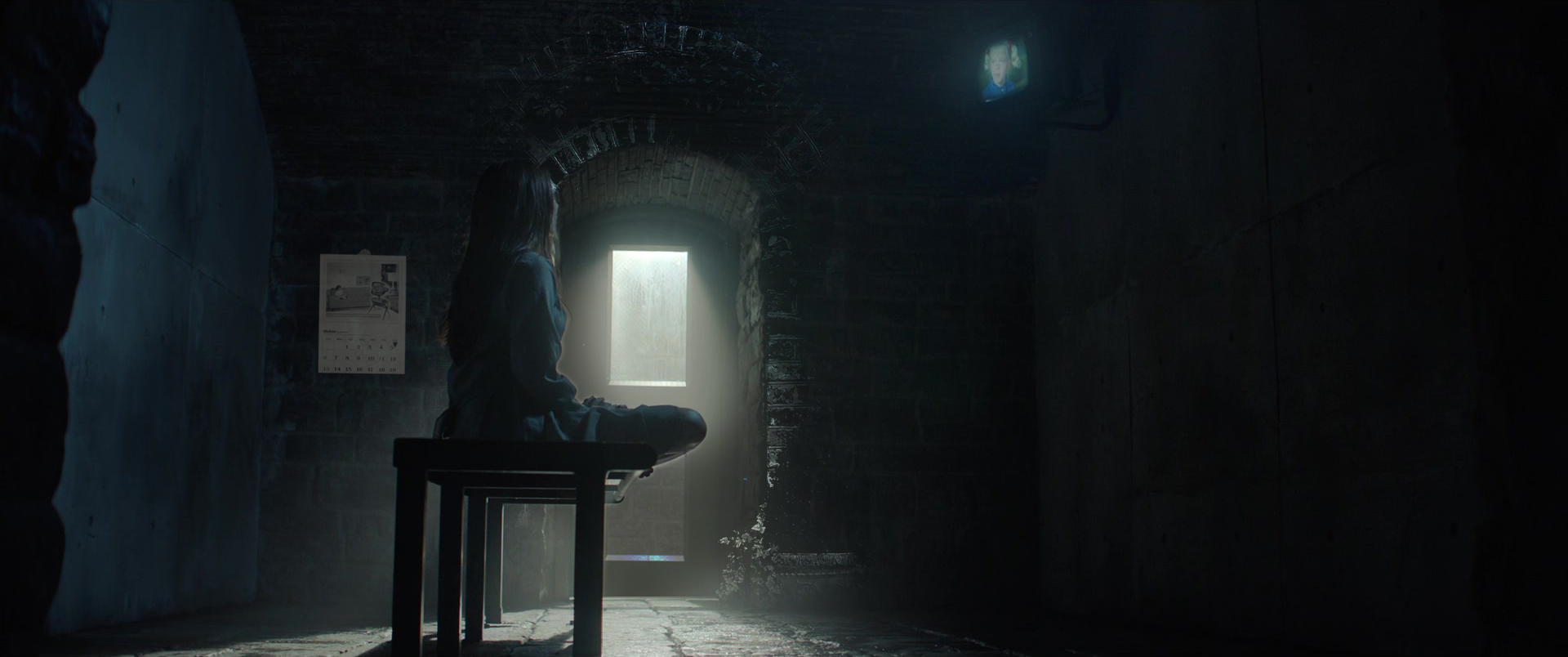
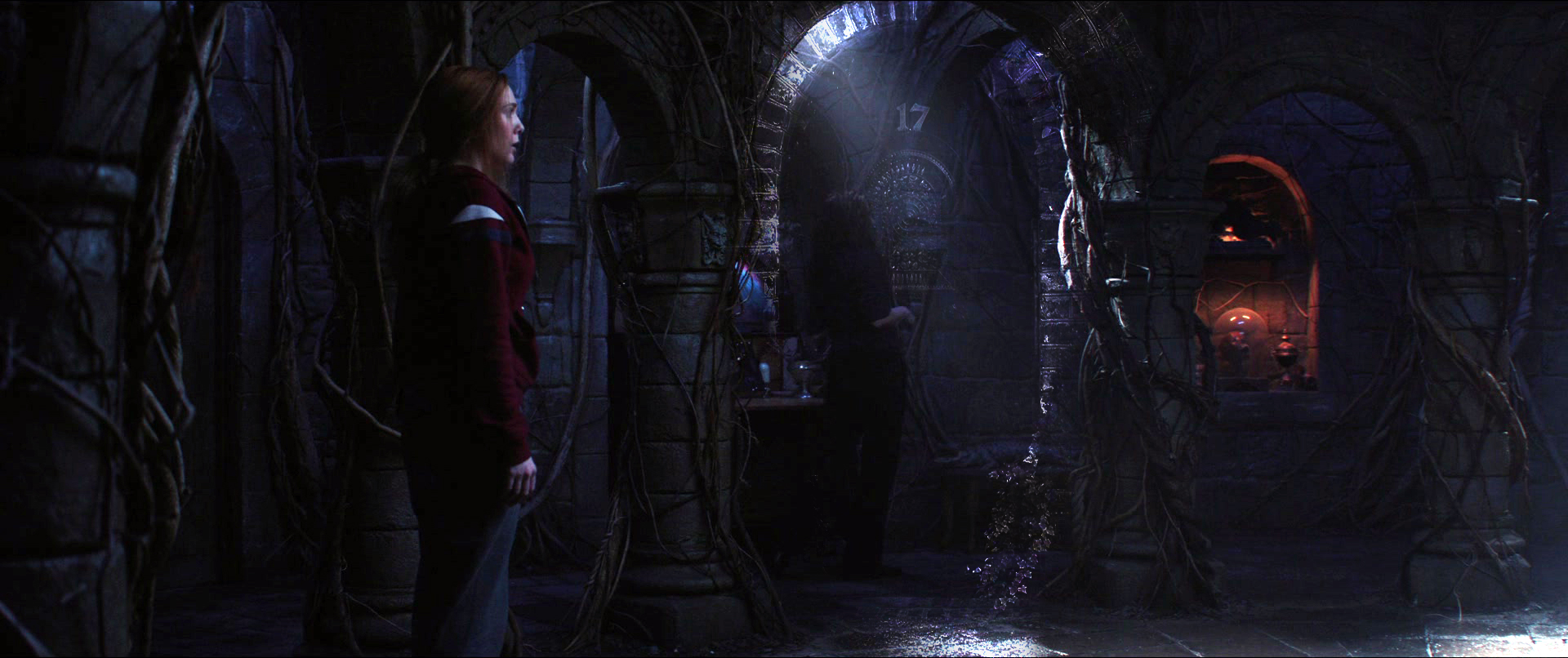
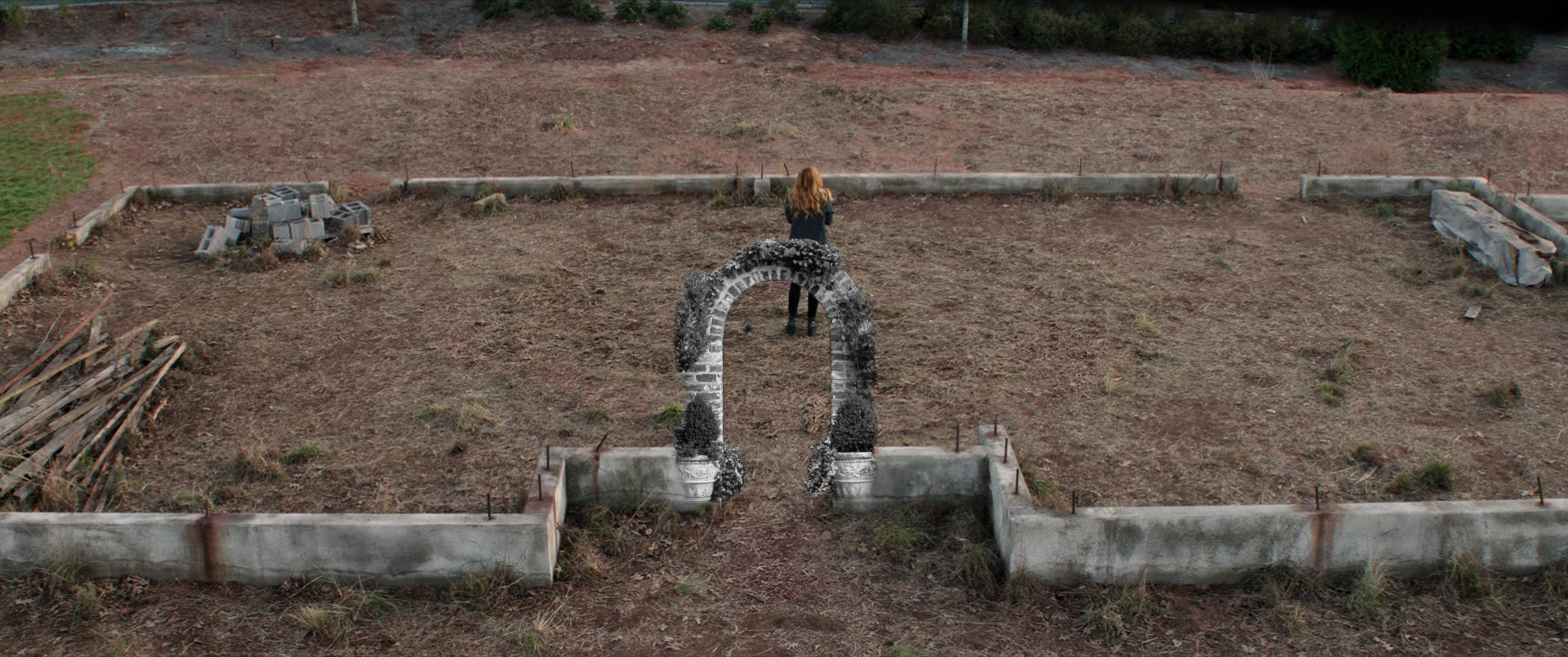
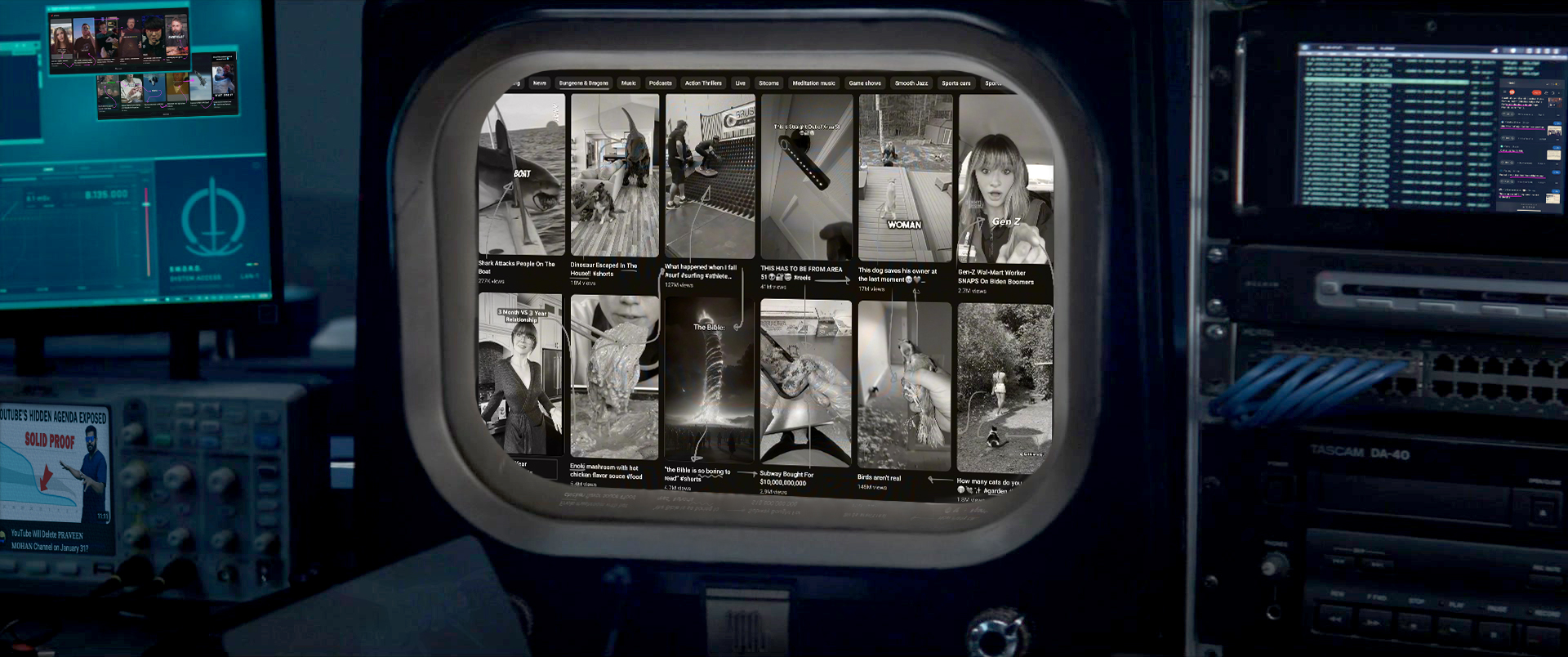
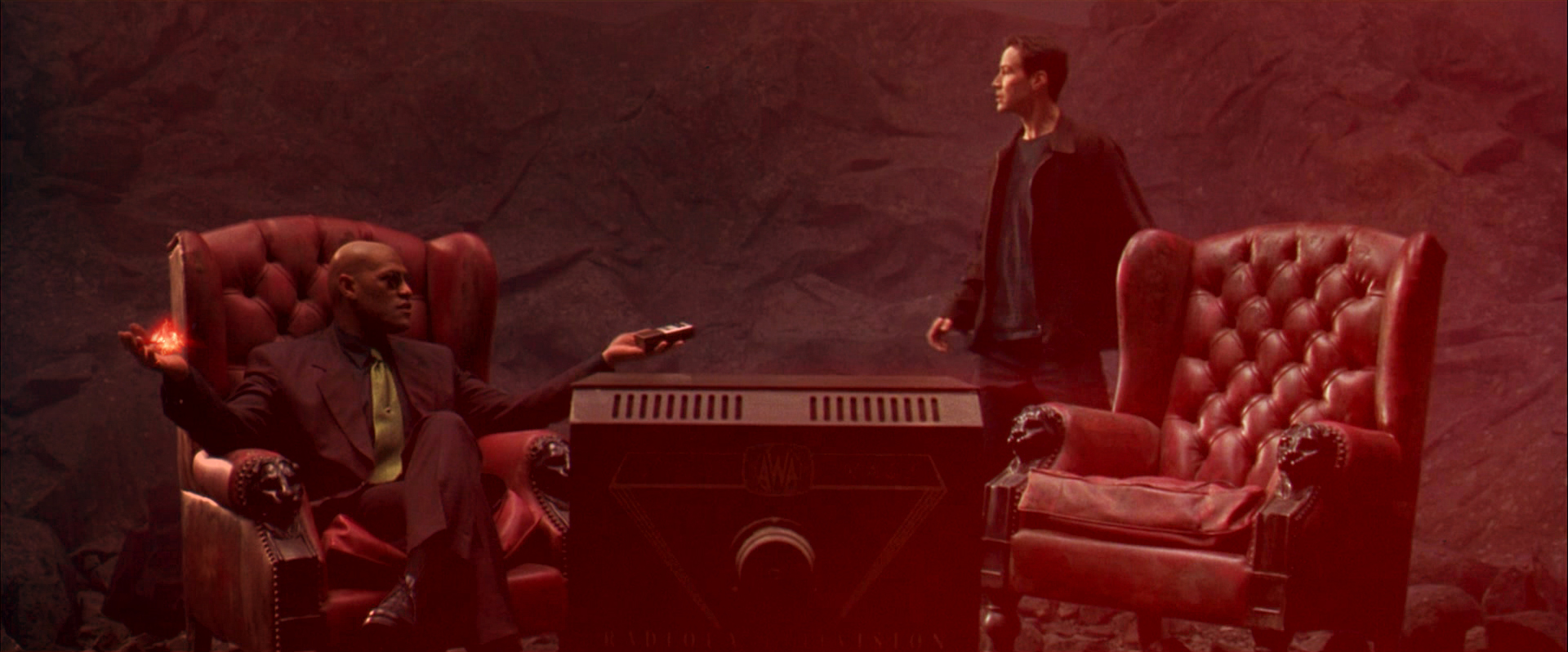
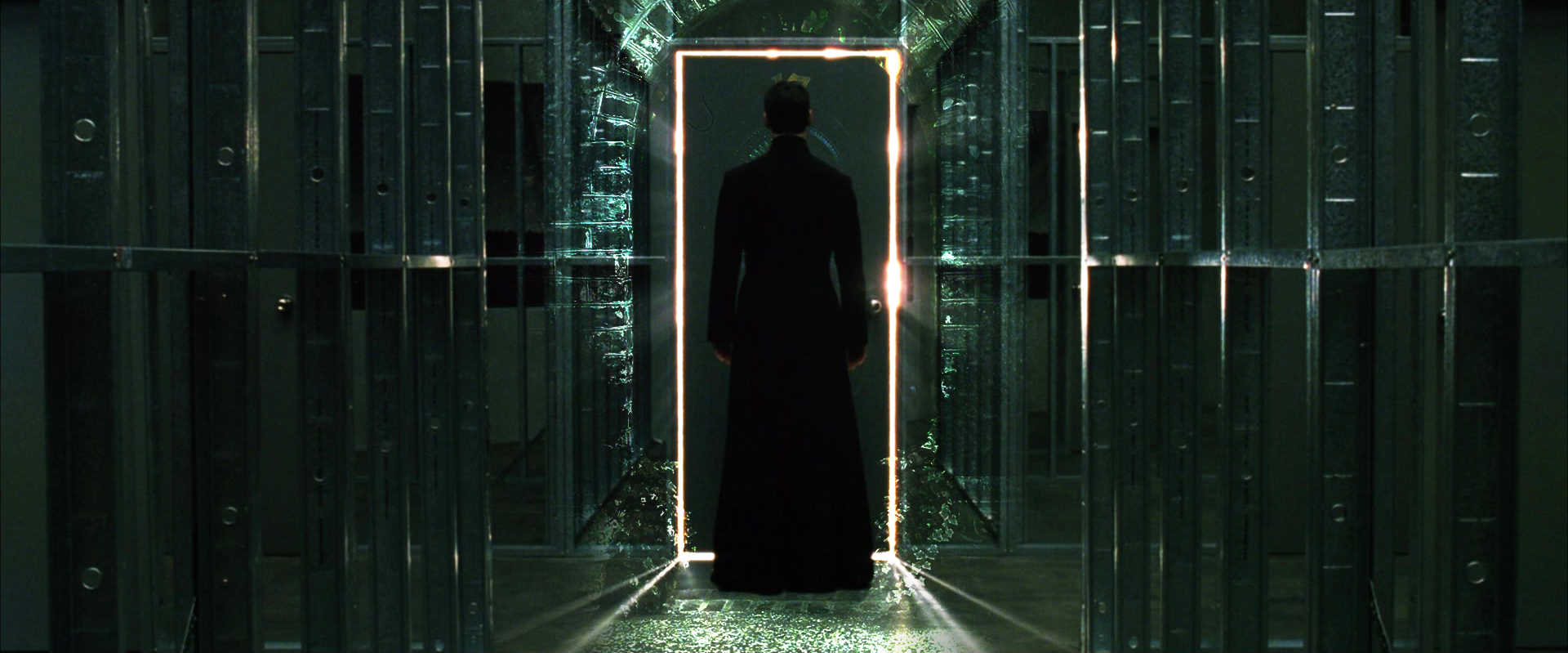
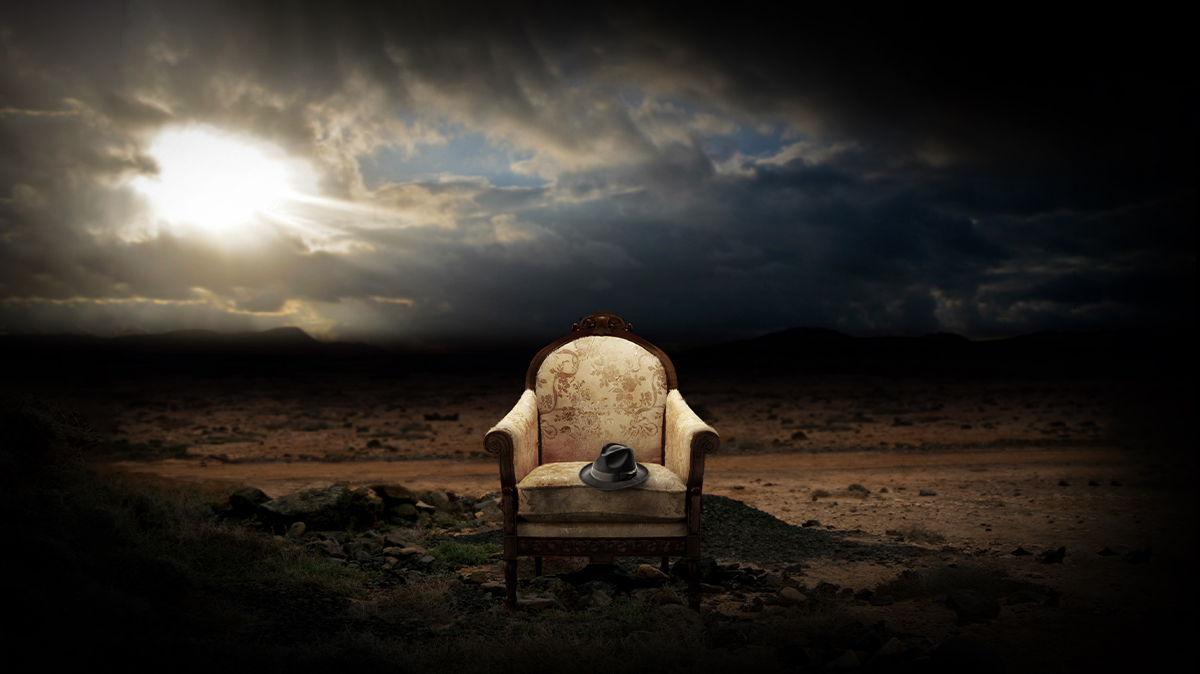
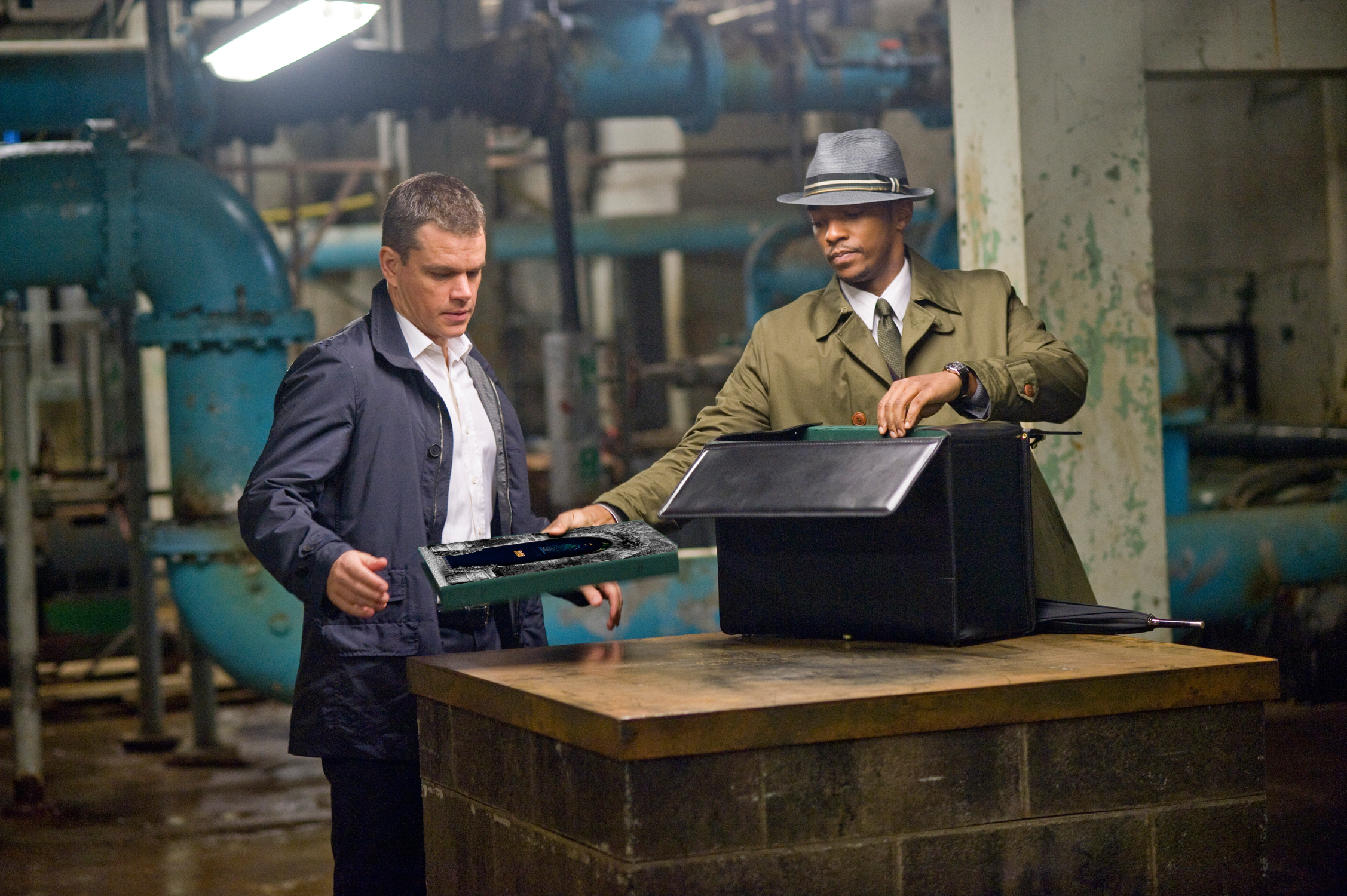
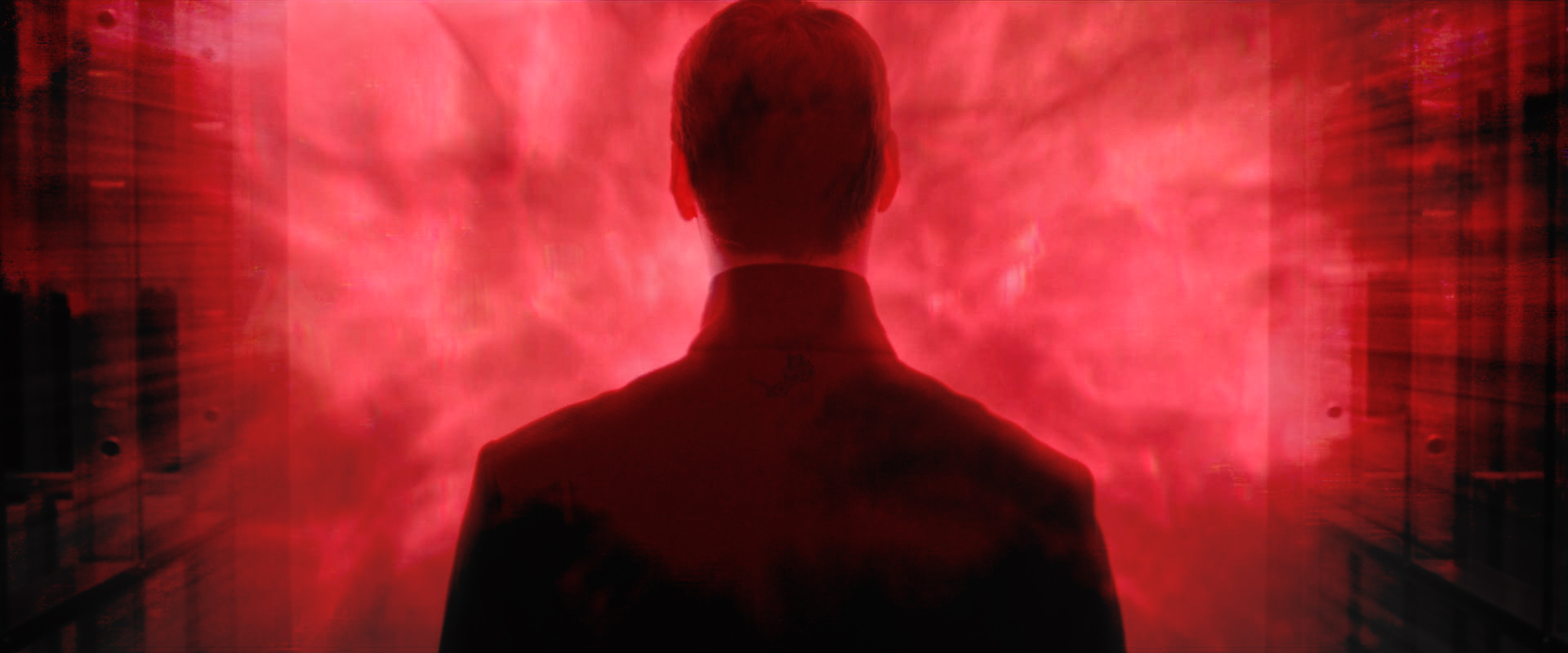
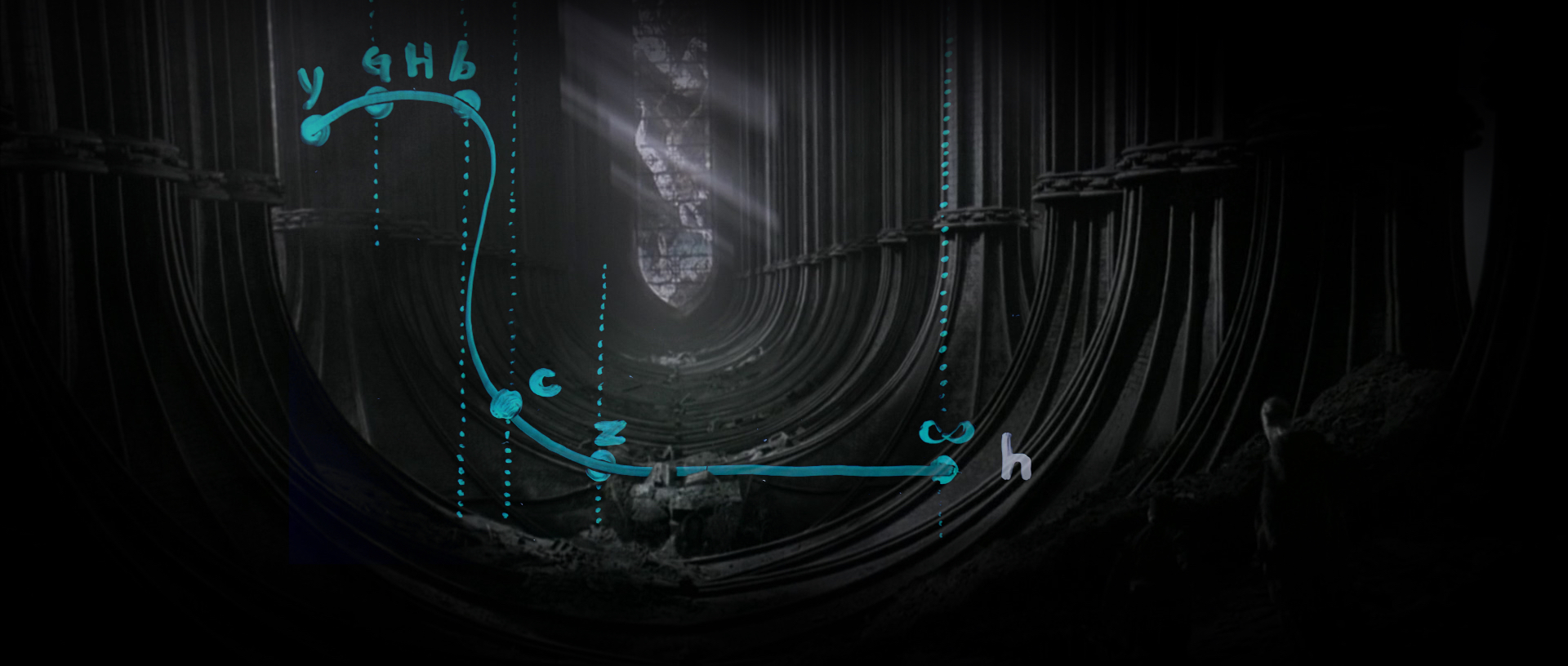
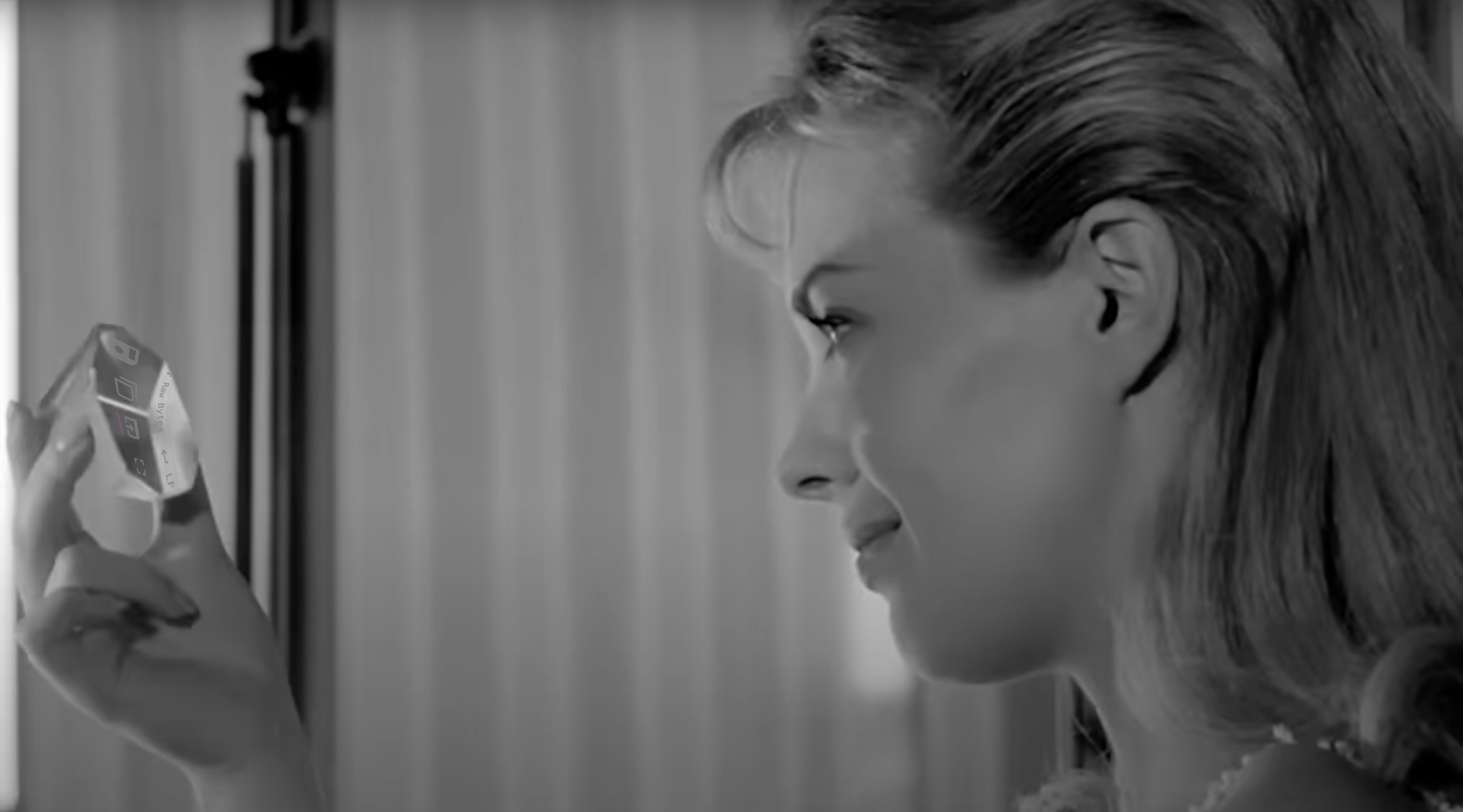

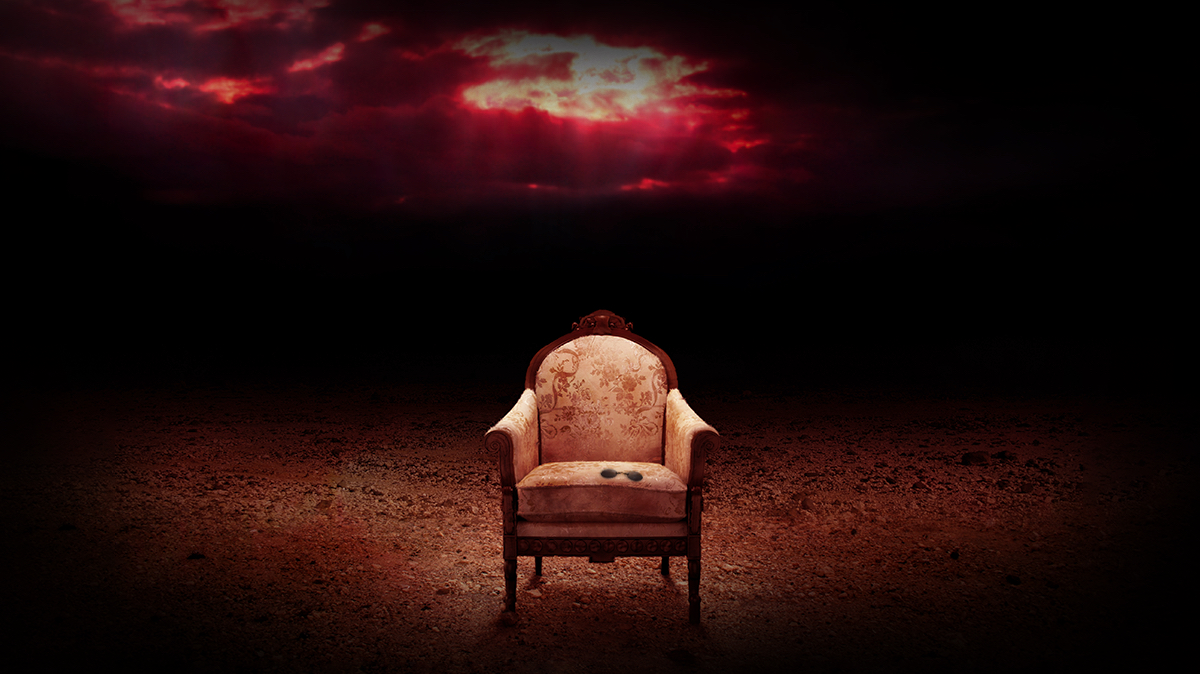
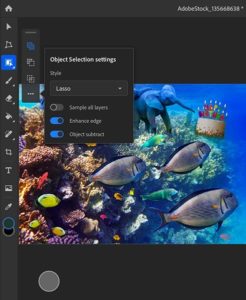 Photograph manipulation or photograph alteration is the modification of an otherwise genuine photograph. Depending on the application and intent, some photograph manipulations are considered an art form because they involve creation of unique images and in some instances, signature expressions of art by photographic artists.
A derivative work is an expressive creation that includes major copyrightable elements of a first, previously created original work (the underlying work). The derivative work becomes a second, separate work independent from the first. The transformation, modification or adaptation of the work must be substantial and bear its author's personality sufficiently to be original and thus protected by copyright. Translations, cinematic adaptations and musical arrangements are common types of derivative works.
Forced perspective is a technique that employs optical illusion to make an object appear farther away, closer, larger or smaller than it actually is. It manipulates human visual perception through the use of scaled objects and the correlation between them and the vantage point of the spectator or camera. Forced perspective can be made more believable when environmental conditions obscure the difference in perspective.
In photography and cinematography, perspective distortion is a warping or transformation of an object and its surrounding area that differs significantly from what the object would look like with a normal focal length, due to the relative scale of nearby and distant features. Perspective distortion is determined by the relative distances at which the image is captured and viewed, and is due to the angle of view of the image (as captured) being either wider or narrower than the angle of view at which the image is viewed. Extension (wide angle) distortion is often implemented to emphasize some element of the scene by making it appear larger and spatially removed from the other elements.
In film, photography and art, perceived object distance is manipulated by altering fundamental monocular cues used to discern the depth of an object in the scene such as aerial perspective, blurring, relative size and lighting. Using these monocular cues in concert with angular size, the eyes can perceive the distance of an object. Artists are able to freely move the visual plane of objects by obscuring these cues to their advantage. A perceptive illusion that may be infused in film culture is the idea of Gestalt psychology, which holds that people often view the whole of an object as opposed to the sum of its individual parts. Another monocular cue of depth perception is that of lighting and shading.